
Compare channel cost with real inputs
OTA commission vs direct booking cost
Compare cost per completed stay rather than gross booking value alone. An OTA has contractual commission and channel terms, while direct booking has payment, system, website, marketing, and staff costs that must also be counted.
This guide is for hotel owners and revenue teams that want to use contracts, invoices, and completed reservations before changing the balance between OTA and direct channels.
Last reviewed:
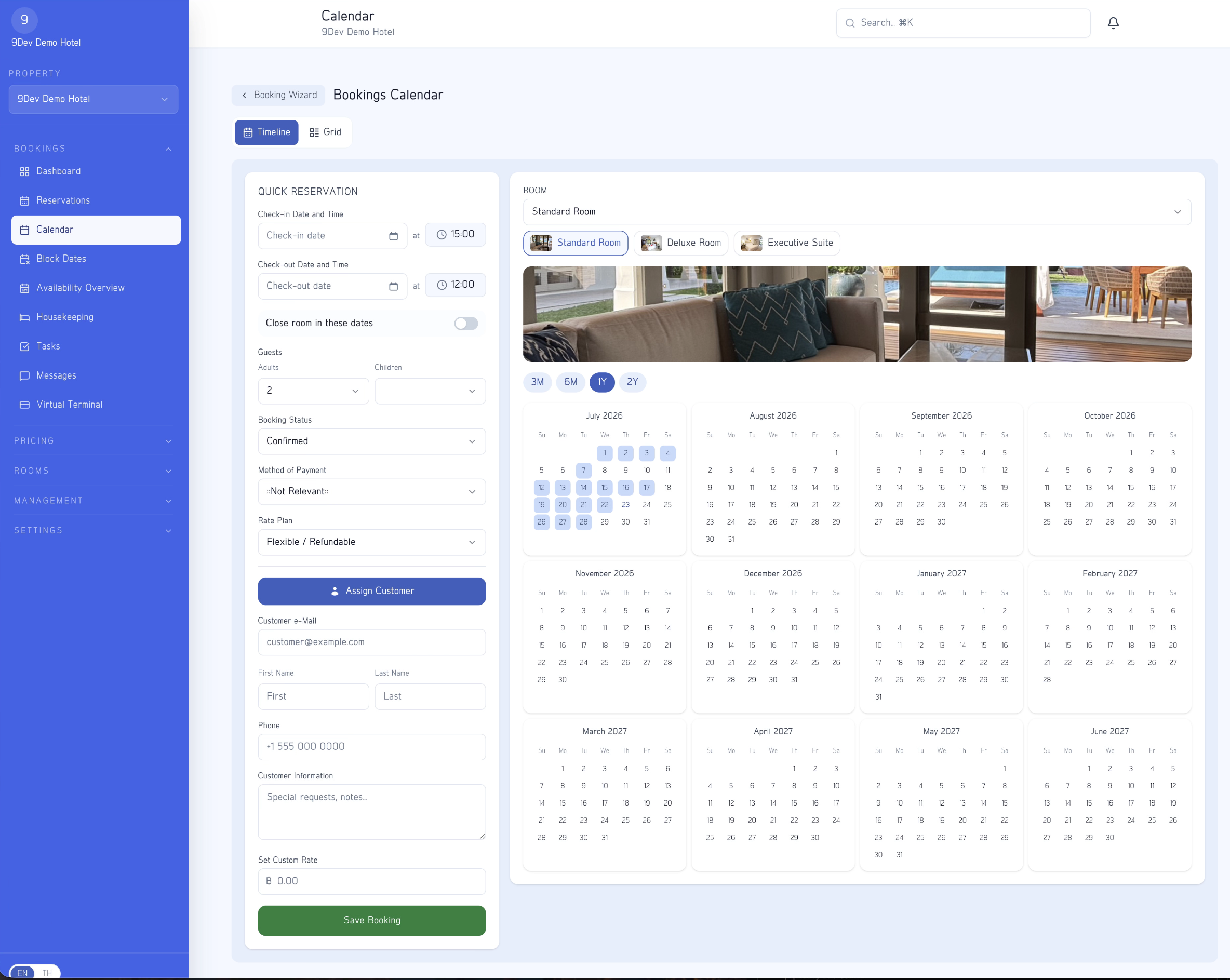
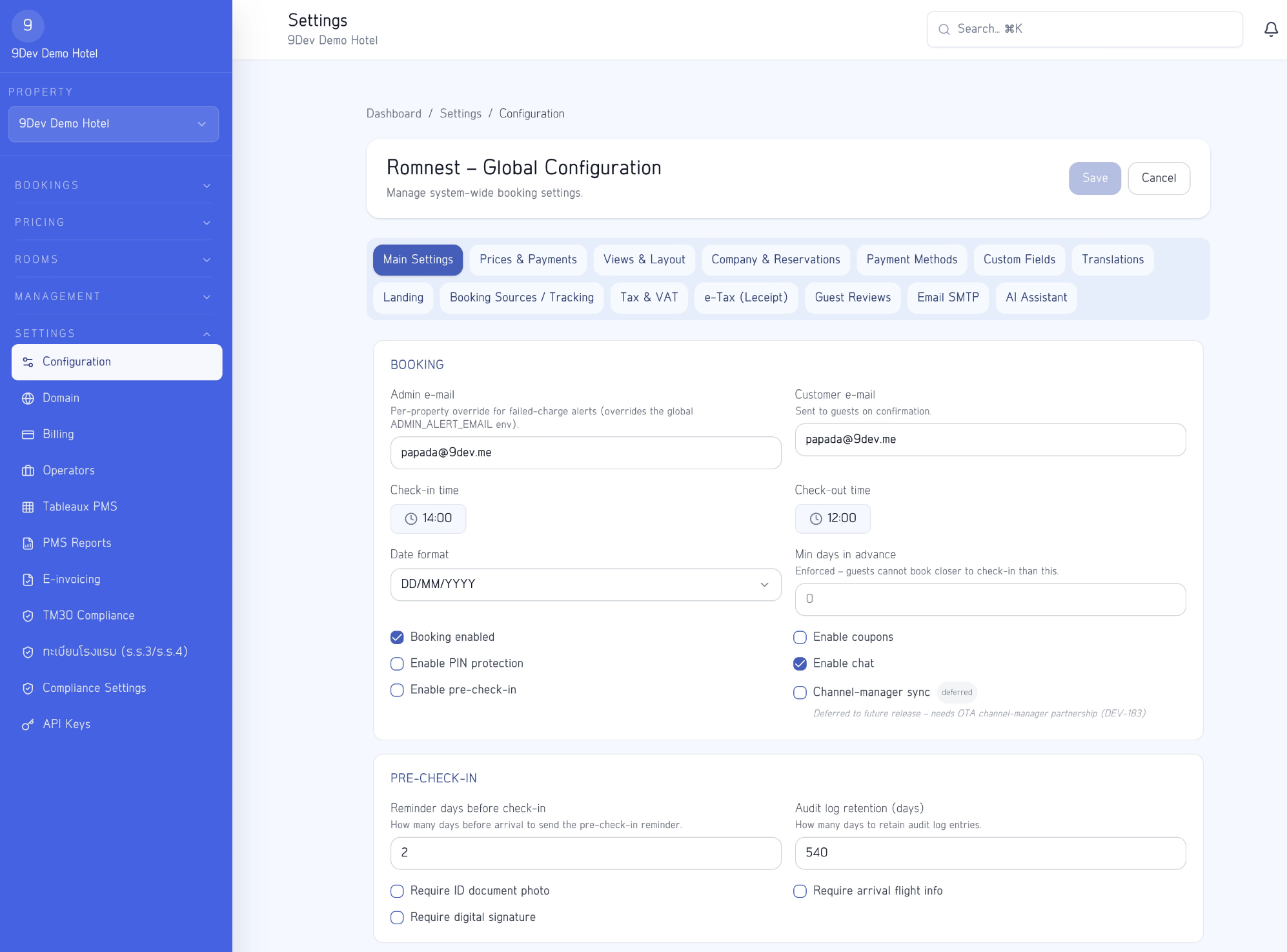
Compare the role and cost of each channel
| OTA booking | Direct booking | |
|---|---|---|
| Demand generation | The platform can expose the property to demand within its marketplace | The hotel builds and maintains its site, profiles, content, and repeat-guest relationships |
| Variable cost | Commission and other booking-level charges under the contract | Payment and other booking-level charges paid by the hotel |
| Fixed cost | Any system or connection cost used to maintain the channel | Allocated booking system, website, domain, and tool cost |
| Payment handling | Depends on the platform's collection and payout arrangement | The hotel selects the provider and handles fees, refunds, and chargebacks |
| Guest relationship | Data and communication operate under platform rules | The hotel manages the experience and consented relationship directly |
| Ongoing work | Maintain rates, inventory, content, and platform messages | Maintain the website, links, rates, inventory, payments, and enquiries |
| Useful when | The hotel needs demand or markets it cannot yet reach itself | Guests know the property or arrive through a channel the hotel owns |
Calculate from completed stays
Start with room revenue from stays completed in the same measurement period, then subtract costs caused by that channel. Do not mix cancelled or no-show reservations into the comparison without recording penalties, refunds, and actual cost, because different cancellation patterns can distort the result.
Illustrative formula only: for a completed stay worth THB 10,000 and an assumed OTA commission of 15%, THB 10,000 × 15% = THB 1,500 before other charges. The 15% assumption is not a market rate or an offer from any OTA. Use the rate and calculation base in the hotel's contract.
- Use one defined period based on completed stay dates
- Use revenue and commission bases from actual documents
- Separate cancellations, refunds, no-shows, and chargebacks
- Keep tax treatment separate and confirm it with the hotel's accountant
Count the full direct-channel cost
Direct booking does not have zero cost. Include actual payment fees, an allocated share of booking-system, website, domain, and tool costs, and advertising or staff time attributable to the channel. Apply the same fixed-cost allocation method each month so trends remain comparable.
A practical formula is completed-stay cost = booking-level variable cost + allocated fixed cost + allocated marketing and labour. If staff time cannot yet be measured, mark it as excluded instead of inserting an estimate that appears to be observed data.
- Payment, refund, and chargeback fees
- Allocated system, website, domain, and technical maintenance cost
- Advertising or campaigns that send guests to the booking page
- Staff time spent answering, changing, and reconciling reservations
Use OTA and direct channels intentionally
An OTA may be valuable when it reaches new guests, countries, or periods where the hotel's owned channels do not create enough demand. Direct booking is useful when guests already know the property, return for another stay, or arrive through a channel the hotel maintains. The two channels can perform different jobs.
Collect at least one period that reflects the hotel's seasonality, then compare cost, cancellation patterns, stay value, and staff work before changing budget or closing a channel. One booking or an unusual month is not a reliable basis for a channel decision.
- Give each channel a defined role instead of assuming only one should remain
- Use privacy-safe source links for direct bookings without personal data
- Track modifications, cancellations, and refunds as well as new bookings
- Review the model when contracts, providers, or operations change
Important limitations
- Commission, calculation bases, tax treatment, and settlement terms differ by contract and country; use the hotel's actual documents
- The THB 10,000 and 15% example explains a formula and is not a standard fee or a Romnest customer result
- Direct booking is not always cheaper when advertising, payment, system, or staff costs exceed its benefit
- Romnest does not guarantee bookings, commission savings, revenue, or return from changing the channel mix
Frequently asked questions
Where should the hotel get its commission rate?
Use the hotel's contract, invoice, and payout report. Confirm whether the base includes room revenue, taxes, service charges, or extras.
Which side should include card fees?
Assign the fee to the flow that causes it. If the hotel collects payment for an OTA reservation and also pays card fees, include both commission and payment cost for that stay.
Should advertising and staff time be included?
Include them when they can be allocated consistently. If they cannot yet be measured, disclose the exclusion and do not describe the result as total channel cost.
Should a hotel leave OTAs when direct cost is lower?
Not on cost alone. Consider incremental demand, seasonality, market reach, cancellations, staff work, and the risk of depending on one channel.
Measure direct-booking cost with the hotel's own data
Open a booking page, test the guest journey, and define the measurement period before comparing it with OTA reports.