
Test the guest journey before publishing
Hotel website and booking engine launch checklist
A site is ready when a guest can identify the correct property, check real availability, understand the total price and policies, complete the intended reservation or enquiry path, and receive the confirmation the hotel team expects.
This checklist is for hotel owners, website managers, and reservation teams launching a new domain, changing booking systems, or moving room and rate data into a direct-booking channel.
Last reviewed:
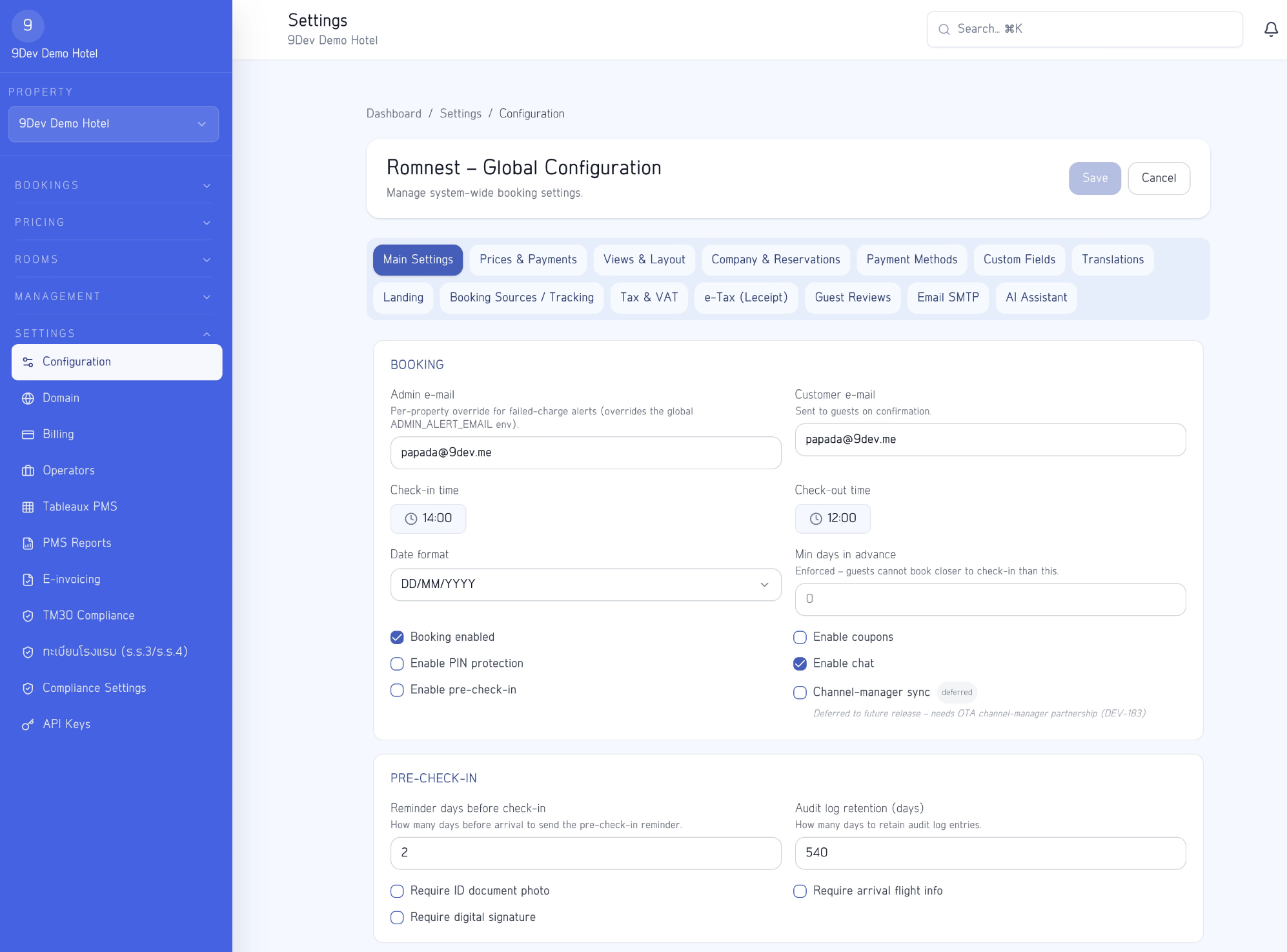
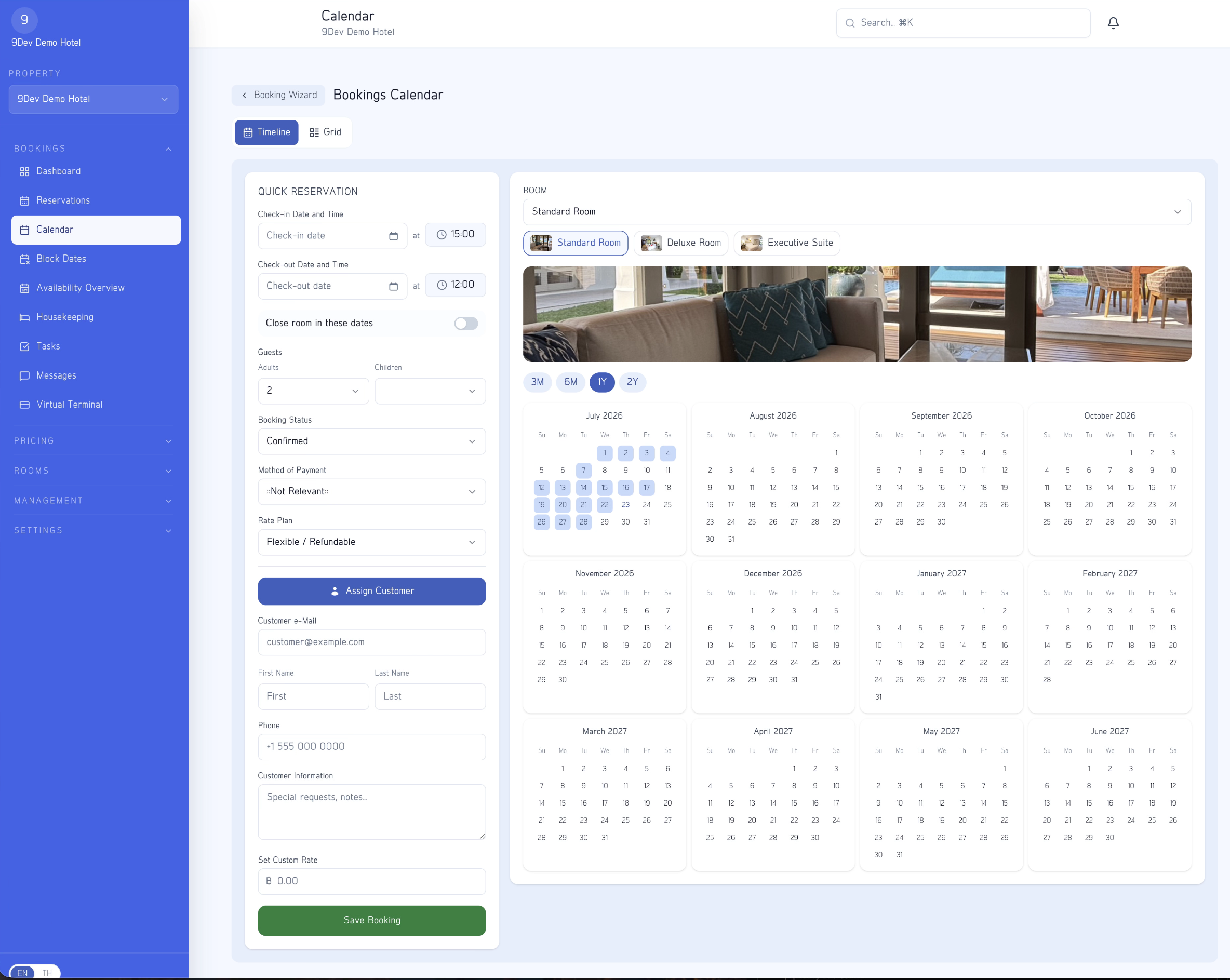
Require evidence before each launch gate passes
| Evidence | Owner | If it fails | |
|---|---|---|---|
| Domain and TLS | The live domain opens, the certificate is valid, one canonical host is used, and DNS access is available | Domain owner or technical operator | Keep the previous site or roll DNS back using the tested procedure |
| Hotel identity | Name, address, phone, map, and legal operator match approved property information | Hotel owner or manager | Correct the source record before distributing the link |
| Rooms, rates, restrictions | Real date searches return approved rooms, occupancy, inventory, totals, fees, and minimum stays | Reservations or revenue team | Stop sale for affected dates and correct the inventory source |
| Policies and payment | Guests see totals, cancellation and legal terms, and a safe approved payment test passes | Finance and policy approver | Disable the unready payment method or use a flow the team can support |
| Notifications | Hotel and guest receive booking, cancellation, and enabled timed messages | Reservations or guest service team | Use a backup confirmation and correct sender, recipient, or template settings |
| Guest journey | Mobile and desktop pass available, sold-out, invalid-date, and minimum-stay cases | Named pre-launch QA owner | Record the broken step and do not publish until the primary path passes |
| Discovery and measurement | Robots, sitemap, canonical, hreflang, structured data, and consent behave as intended | Website or marketing owner | Fix technical signals before indexing requests and make no ranking promise |
| Launch ownership | One decision owner, support path, monitoring window, and written rollback conditions exist | One named launch owner | Delay launch until ownership and a working support path are assigned |
Verify the technical foundation and property data
Confirm that the hotel owns the domain and retains DNS access. Open the canonical and www forms to inspect redirects, TLS, and the canonical host. Then compare the name, address, phone, map, and legal operator with information approved by an authorized hotel owner or manager.
Search real stay dates across several periods. Verify room types, images, occupancy, inventory, rates, taxes, fees, seasonal pricing, coupons, and minimum-stay rules, including sold-out and closed dates.
- Keep domain, DNS, and hosting access with hotel-approved owners
- Choose one canonical host and test redirects from alternatives
- Check contact and map information from a device not signed into administration
- Compare rooms, rates, and restrictions with the hotel's source of truth
Test booking, payment, and notification paths
Complete the path from homepage to confirmation on mobile and desktop. Include bookable, sold-out, invalid checkout, and below-minimum-stay cases. Confirm that the total price, cancellation policy, check-in/out information, privacy notice, and terms are visible before commitment.
For online payment, use a provider-approved test method or an authorized low-value live transaction with a documented refund. Never enter live card data into an unsupported test environment. Check messages sent to the guest and operational notifications sent to the hotel.
- Use true mobile emulation and a real phone, not only a narrow browser window
- Check total, currency, taxes, fees, and policies before confirmation
- Test success, failure, cancellation, and refund paths that are enabled
- Confirm booking and cancellation notifications reach an active owner
Prepare discovery, monitoring, and rollback
Before submitting a sitemap, inspect robots, canonical, hreflang, structured data, and analytics consent in the published HTML. Search Console and Bing submission can help discovery but do not guarantee indexing time, ranking, or traffic.
Assign one launch owner, a monitoring period, a support route, and signals to watch, including errors, duplicate reservations, missing notifications, and incomplete payments. Write rollback conditions and decision authority before distributing the link widely.
- Inspect the sitemap and important URLs as crawlers and a normal browser
- Record configuration state and a rollback method that has been tested
- Assign owners for errors, payments, bookings, and guest questions
- Repeat the checklist after changing domain, rates, policies, or payment gateway
Important limitations
- Payment, domain, email, and external-service approval depends on each provider and may not complete by the hotel's intended launch date
- Submitting a sitemap or indexing request does not guarantee immediate indexing, ranking, or traffic
- A checklist does not replace an operational owner, monitoring, support, or the authority to stop booking when a critical issue occurs
- Retest after changing domain, rooms, rates, inventory, policies, notifications, or payment gateway
Frequently asked questions
Does payment testing require a real charge?
Use test mode or another provider-approved method first. If live mode is required, pre-approve the value, refund procedure, and reconciliation owner.
Is resizing a desktop browser enough for mobile QA?
No. Use mobile emulation with a real viewport and at least one physical phone to check keyboard, date picker, scrolling, touch targets, and return from payment.
When will Search Console show the new site?
There is no guaranteed time. URL and sitemap submission support discovery. Verify crawl access and noindex state, then monitor without repeatedly resubmitting at short intervals.
How long should the hotel monitor after launch?
Choose an intensive period based on volume and risk. It must cover real creation, payment, modification, cancellation, and notification paths with an owner available whenever bookings are accepted.
Build and test the booking site before sharing its link
Start with real room data, complete one end-to-end journey, and retain evidence for every launch gate.